
Fragilidad en la nefropatía diabética avanzada: factores asociados en pacientes en hemodiálisis y diálisis peritoneal.
DOI:
https://doi.org/10.56867/Palabras clave:
Fragilidad, Nefropatía diabética, Factores asociados, Hemodiálisis, Diálisis peritonealResumen
Introducción: La nefropatía diabética es la principal causa de enfermedad renal terminal. Los tratamientos como la hemodiálisis y la diálisis peritoneal generan complicaciones que favorecen la aparición del síndrome de fragilidad, lo que aumenta significativamente el riesgo de discapacidad y de mortalidad. Sin embargo, existe escasa evidencia a nivel local que compare directamente este deterioro funcional entre ambas modalidades dialíticas.
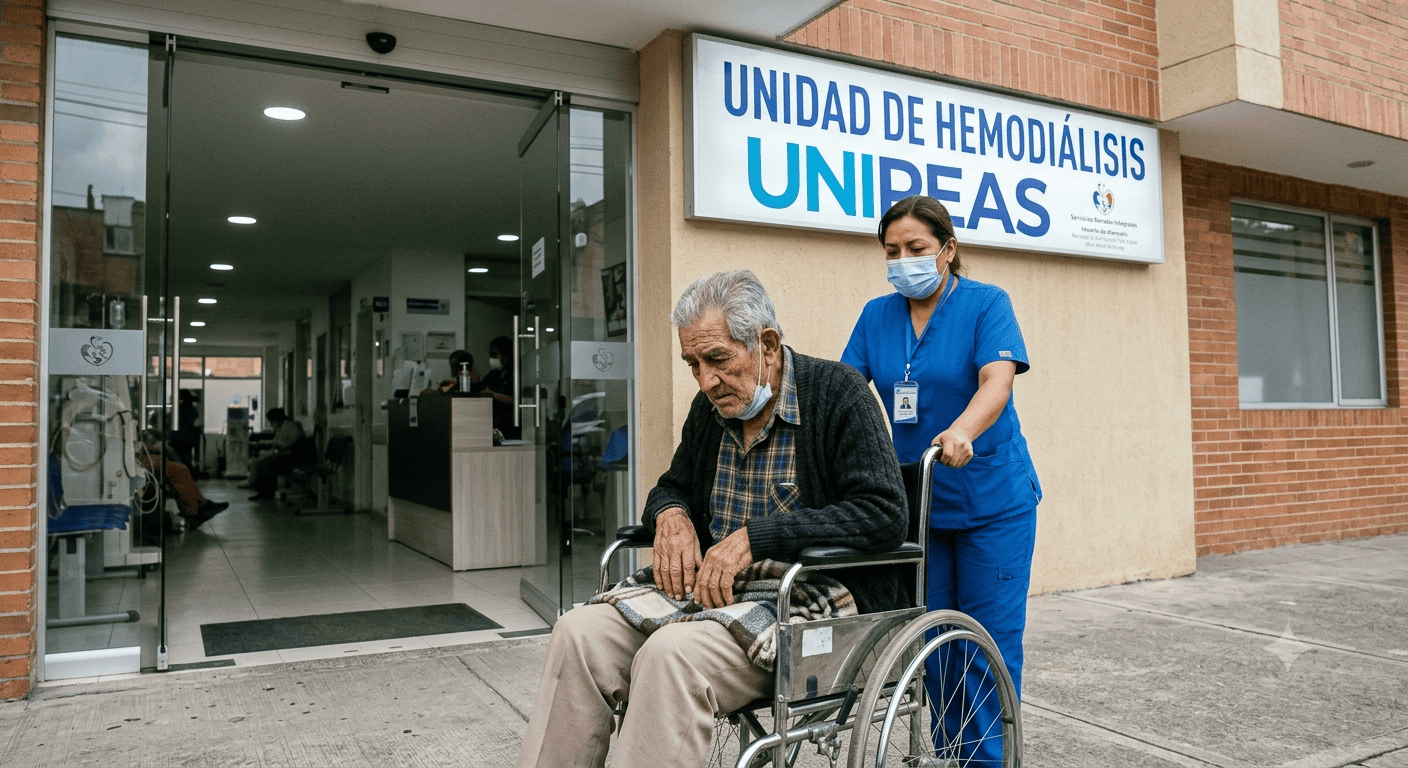
Materiales y Métodos: Se desarrolló un estudio observacional, analítico y transversal en el centro de diálisis UNIREAS de Cuenca, con la evaluación de una muestra de 58 pacientes adultos con nefropatía diabética en terapia dialítica. El nivel de fragilidad de cada participante se determinó según los criterios del fenotipo de Fried, mientras que la carga clínica de comorbilidades se cuantificó mediante el Índice de Comorbilidades de Charlson. Posteriormente, los datos se sometieron a un análisis estadístico bivariado mediante pruebas paramétricas y no paramétricas.
Resultados: La prevalencia de fragilidad alcanzó el 56.9% de los pacientes, mientras que el 37.9% adicional presentó prefragilidad. No se encontraron diferencias estadísticamente significativas en la fragilidad entre los grupos sometidos a hemodiálisis (56.9%) y a diálisis peritoneal (57.1%). Entre los componentes del fenotipo de Fried, la debilidad muscular fue el más frecuente, identificándose en el 81.0% de los sujetos. Adicionalmente, el 82.8% presentó alta comorbilidad, el análisis bivariado no demostró asociación estadística entre la fragilidad y las comorbilidades, variables sociodemográficas, tiempo en diálisis o años de evolución clínica.
Conclusiones: Existe una alta prevalencia de fragilidad física en pacientes con nefropatía diabética sometidos a terapias de reemplazo renal, independientemente de la modalidad dialítica empleada. Ante el marcado predominio de la debilidad muscular, resulta prioritario incorporar un tamizaje funcional rutinario y fomentar programas de rehabilitación física temprana orientados a mitigar este deterioro fisiológico.
Descargas
Publicado
Número
Sección
Licencia
Derechos de autor 2026 Erick Cochancela Duran, Sebastian Idrovo Montero, Cesar Toral Chacón., Valeria Andrade (Author)

Esta obra está bajo una licencia internacional Creative Commons Atribución-NoComercial-CompartirIgual 4.0.
 10.56867